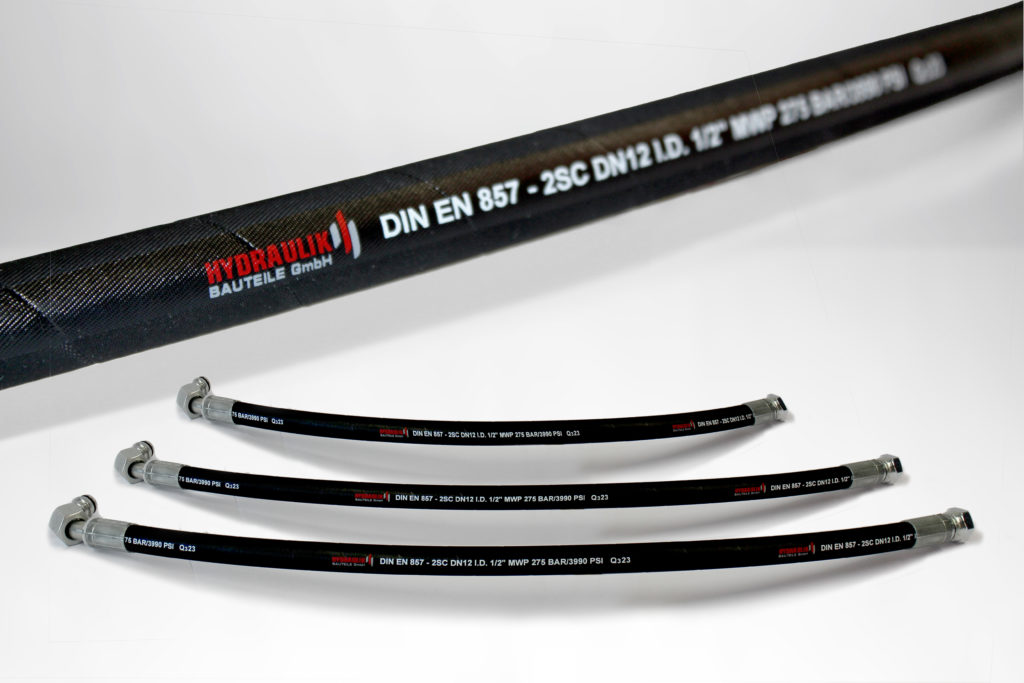
Hose lines play a crucial role in hydraulics - they transport energy under high pressure and must meet the highest safety and durability requirements. But hydraulic hoses are wearing parts: Without regular inspection, complete documentation and targeted maintenance, failures can occur that endanger people, machines and the environment.
Professional hose management can help here. In this guide, we show you how you can ensure greater safety and efficiency in your company through forward-looking planning, standard-compliant testing and structured replacement processes - and how the HBT GROUP can support you with innovative products and expert service.
Why professional hose management is so important in hydraulics
A well-organized hose management system aims to operate all hydraulic hose lines and pneumatic lines reliably and safely throughout their entire life cycle. Those who operate a professional hose management system benefit from the following advantages:
- Increased occupational safety: Damaged hoses pose a risk to employees and systems.
- Avoiding operational failures: A burst hydraulic hose can paralyze machines and cause expensive downtime.
- Compliance with legal requirements: Regulations such as DGUV Rule 113-015 require regular inspections and documented maintenance.
- Ensuring production quality: Only intact pneumatic and hydraulic hose lines guarantee smooth processes and consistent product quality.
What a defective hose can cause
Sudden bursts in hose lines are among the greatest risks in hydraulics. The consequences range from production downtime to personal injury or environmental risks due to leaking oil.
Professional hose management protects against this - through targeted inspections, systematic maintenance and complete documentation. This allows you to identify and avoid risks at an early stage. If an unforeseen emergency does occur, we can help with our mobile service.
Legal basis: DGUV Rule 113-015
DGUV Rule 113-015 (formerly BGR 237) is the most important guideline for the safe use of hydraulic hose lines. It is aimed at operators of systems and machines that work with hydraulics or pneumatics and requires, among other things
- Visual and functional inspections at defined intervals
- Documentation of all measures and results
- A maximum service life of hydraulic hose lines of six years
- Measures to protect against bursting hoses, e.g. protective hoses or optimized routing
Companies that take these requirements seriously not only create a safe working environment, but also reduce their costs for spare parts, products and maintenance in the long term.
The building blocks of successful hose management
Integrated hose management in hydraulics and pneumatics comprises several components that must interact optimally:
- Recording & documentation of all hose lines
Each hydraulic hose line is recorded during installation, clearly identified (e.g. by barcode or hose ID) and stored in a central system. For example, the following are recorded
- Hose type, length, place of use
- Machine or product reference
- Assembly and replacement data
- Test intervals, tests, results
- Location and responsible company
This structured recording enables a transparent overview of all installed hoses - even across multiple locations.
- Regular inspections & maintenance
Depending on the operating conditions (e.g. pressure, temperature, chemical load), visual and, if necessary, pressure tests should be carried out at specified intervals. Among other things, the following are checked
- Cracks, blisters, abrasion or deformation
- Leaks at connections
- Condition of protective materials
- Marking and legibility of the hose ID
These measures are part of legally prescribed and professionally documented maintenance.
- Scheduled replacement of hydraulic hose lines
Even the best hose has an expiration date: after six years at the latest - including storage time - hoses need to be replaced. The HBT GROUP offers both customized individual products from its in-house hose workshop and industrial series solutions for bulk buyers.
Thanks to predictive maintenance plans, replacements can be integrated into planned shutdowns - saving time and money.
- Digital systems & central administration
Modern hose management solutions rely on digitalization. This brings advantages:
- Automatic reminders for test dates
- Cross-location evaluation of data
- Integration into existing service or ERP systems
Companies that use these systems benefit from greater transparency, security and efficiency in their day-to-day operations.
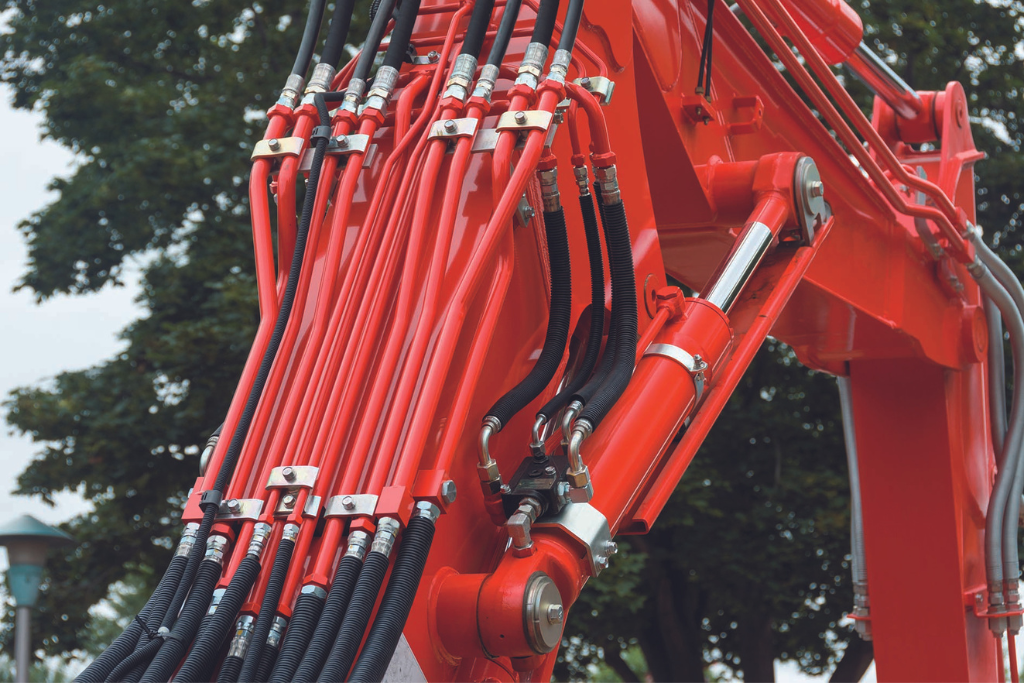
The HBT GROUP: Your partner for hose management
As an experienced system partner, the HBT GROUP supports companies in all industries with the planning, testing and maintenance of their pneumatic and hydraulic hose lines - from the initial design to the finished spare part.
Our services at a glance:
- In-house hose production: custom-made products immediately in the hose workshop
- Industrial series production for major customers and direct delivery
- Mobile service and on-site testing
- Digital solutions for efficient hose management
- Cross-location support for all sectors
Conclusion: Safety, efficiency and responsibility - with well thought-out hose management
Hoses are more than just connections - they are safety-relevant components that deserve regular attention. With structured management of your hose lines, you can reduce risks, comply with legal requirements such as the DGUV 113-015 and increase the efficiency of your systems.
Would you like to find out more or develop a customized hose management concept for your company? Contact the HBT GROUP now - we will be happy to advise you personally at any location.