
How to ensure the longevity, efficiency and safety of your system
Maintenance as an investment in safety and performance
Hydraulic systems are the backbone of many industrial processes - from manufacturing to agriculture and construction. Their performance and availability are crucial for smooth processes and economic efficiency. At the same time, their high pressures, temperatures and complex components pose considerable risks to reliability and occupational safety if they are not properly maintained.
Professional maintenance not only ensures a longer service life and better performance, but also protects employees, machines and processes. In this specialist article, we give you practical and tried-and-tested tips on how to effectively maintain your hydraulic system - in accordance with legal requirements and technical best practices.
Comply with legal requirements: Ordinance on Industrial Safety and Health (BetrSichV)
The Ordinance on Industrial Safety and Health (BetrSichV) forms the legal basis for the safe use of work equipment - this also includes hydraulic systems. It obliges operators to carry out regular risk assessments, set inspection intervals and implement suitable protective measures.
Important measures within the scope of the BetrSichV:
- Regular inspections by qualified persons
- Documentation of all maintenance and testing procedures
- Training employees in the safe handling of the system
- Adaptation of protective measures in the event of changes or extensions
Only those who know the legal framework and actively implement it can minimize risks, be on the safe side in terms of liability and increase occupational safety.
The five-finger rule: safety during maintenance work
Before any intervention in the hydraulic system, the so-called five-finger rule should be observed. It is essential to avoid accidents and damage during maintenance work:
- Disconnect the power supply - Disconnect the system safely from the power supply during maintenance.
- Secure against restarting - Use mechanical or electrical locks.
- Depressurize the system - Also depressurize or shut off the accumulator and remove residual energy.
- Check that there is no pressure - Check the system pressure using suitable measuring equipment.
- Prevent hazards from neighboring systems - Secure the surrounding area before starting work.
These steps should be an integral part of every maintenance measure - ideally as written work instructions.
The right hydraulic oil: quality, filtration and change intervals
Hydraulic oil is the lifeblood of your system. Its quality has a direct influence on wear, energy efficiency and the service life of the components.
Tips for handling hydraulic oil:
- Only use approved oils with the appropriate viscosity class.
- Ensure that contamination is kept to a minimum - by using suitable filters and clean handling. Further information on oil cleanliness can be found HERE.
- Change the oil regularly according to the manufacturer's instructions - or depending on laboratory analyses.
- Take environmental factors such as temperature or humidity into account when making your selection.
An oil analysis is a sensible measure for reacting to wear or contamination at an early stage - please contact us in this regard.
Pressure accumulator: Check regularly - operate safely
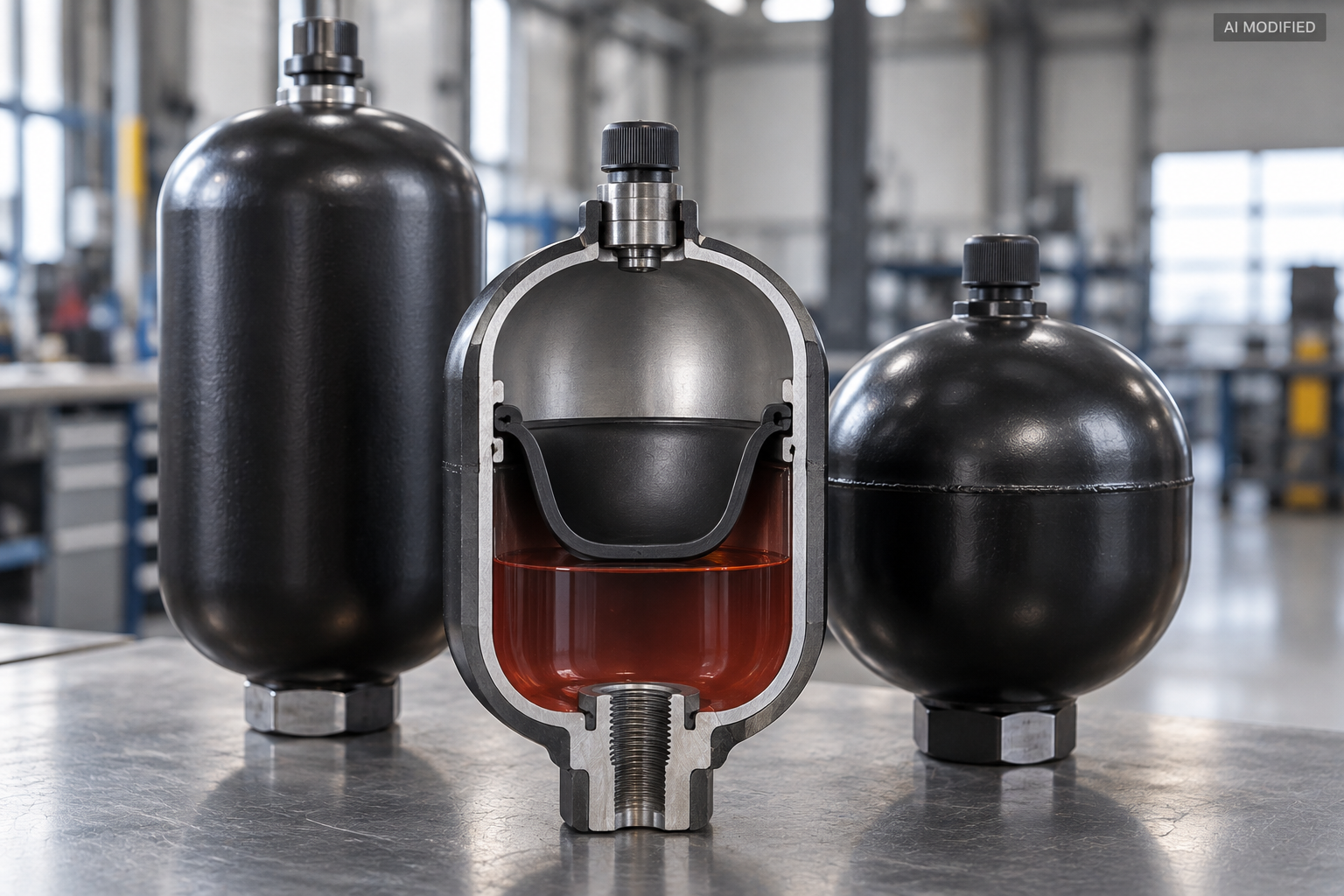
Accumulators store energy in the form of pressurized fluid and can pose a considerable risk in the event of a fault. Maintenance should therefore only be carried out by qualified personnel.
Please note:
- Annual visual inspection and leak test by a qualified person (in accordance with BetrSichV)
- Every ten years: Internal and pressure test by an approved inspection body (ZÜS)
- Checking the gas pre-pressure
- Checking the valves and safety equipment
If an accumulator is incorrectly maintained or overlooked, this can lead to dangerous pressure surges or uncontrolled movements.n - special care is therefore required.
Hoses and pipes: Small, but critical
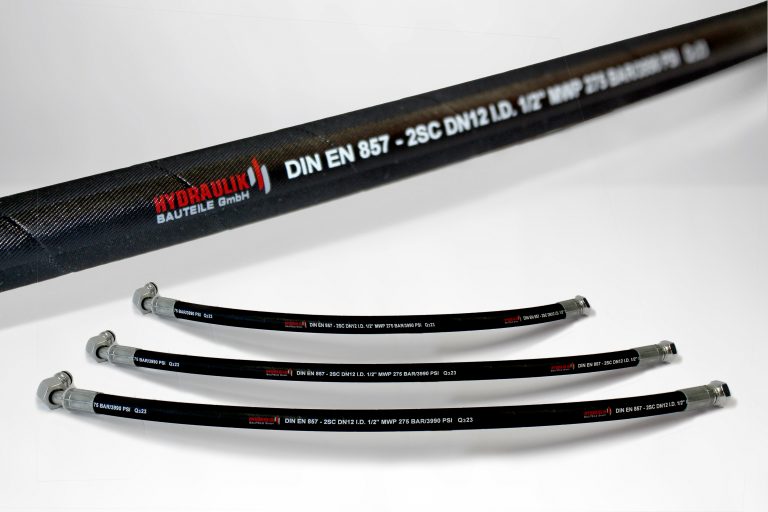
A defective hydraulic hose can bring machines to a standstill or even seriously endanger people. Prevention is the best form of protection to ensure long-term occupational safety.
Maintenance instructions for hoses:
- Check regularly for external damage (cracks, chafing)
- If possible, do not use hose lines beyond the recommended operating age
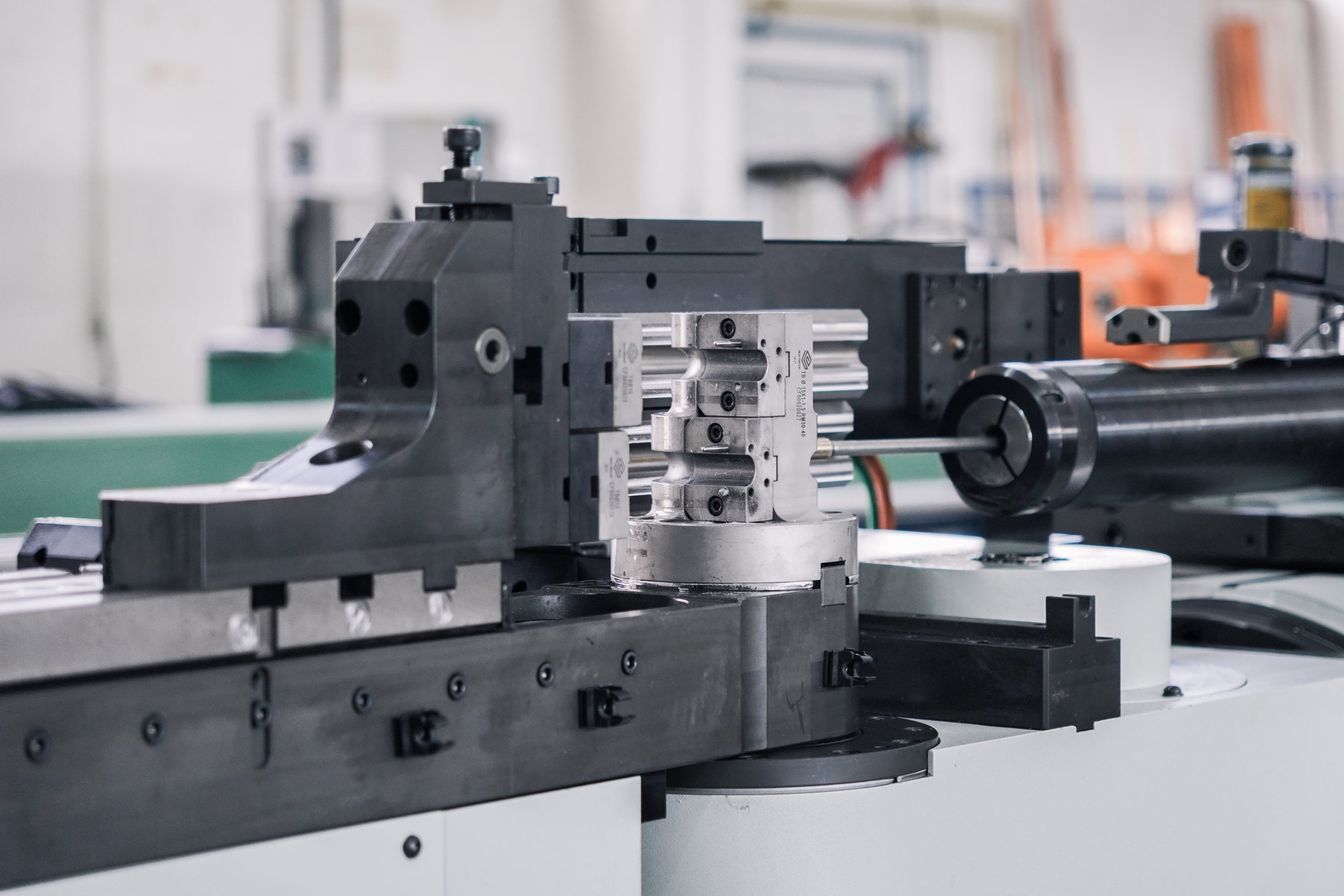
- Ensure correct bending radius and tight connection
- When replacing: Use original parts or equivalent components
Document the age and condition of each hose - ideally using maintenance software or a hose identification system. The legal framework here is provided by DGUV Rule 113-020 (formerly BGR 237). You can find a detailed article on professional hose management with further information HERE.
Keeping an eye on pumps and valves
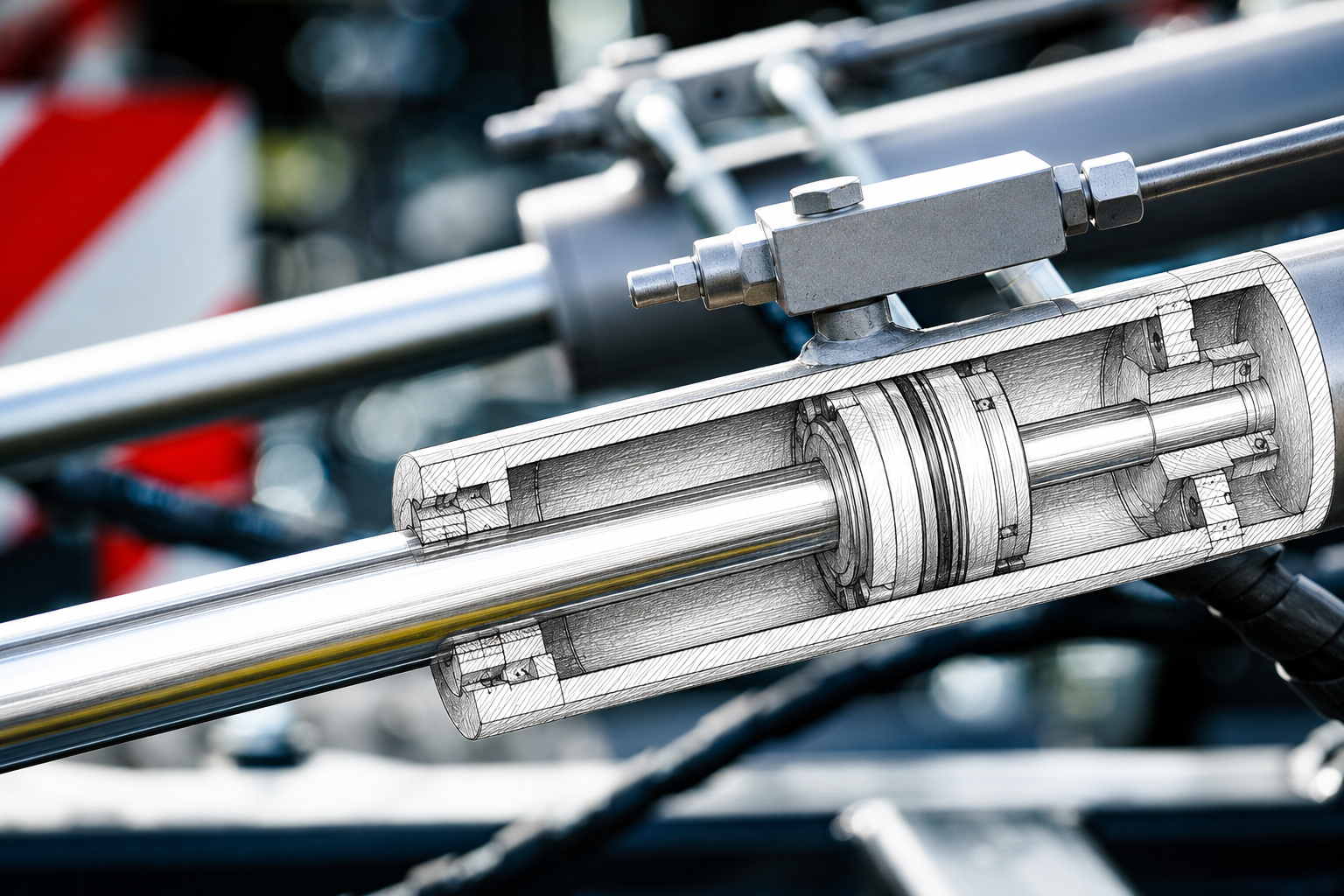
Pumps, especially piston pumps, are among the central and most expensive components of a hydraulic system. Monitoring them is therefore essential.
Important indicators for possible wear:
- Noise development or vibrations
- Pressure drop or power loss
- Leaks
- Unusually high temperatures
Valves should also be checked regularly for function, tightness and correct adjustment - ideally as part of a preventive maintenance strategy.
Using digitalization: Condition monitoring and predictive maintenance
Today, modern hydraulic systems can be equipped with sensors that continuously monitor the condition of individual components. The advantages:
- Early fault detection: Pressure fluctuations, leaks or temperature deviations in systems are reported immediately.
- Maintenance as required: Instead of fixed intervals, maintenance is carried out on the basis of real operating data.
- Documentation and traceability: All interventions, values and changes are recorded digitally.
Digital systems can be used to quickly obtain information about the status of hydraulic systems. Retrofitting such systems is worthwhile for many systems - especially for high capacity utilization or safety-relevant applications.
Conclusion: Maintenance is responsibility - and a competitive advantage
A well-maintained hydraulic system is more than just a safe working tool - it is an economic factor. Through structured maintenance and servicing, you can reduce downtimes, extend the service life of your components and increase operational and occupational safety. At the same time, you fulfill legal obligations and signal a sense of responsibility towards employees and business partners.
Our recommendation: Create an individual maintenance plan for your machines, have your personnel trained regularly and use the possibilities of digitalization for condition monitoring. This will not only keep your hydraulics in good working order, but also future-proof them.
Would you like to optimize your maintenance or do you need support in implementing legal requirements?
We will be happy to advise you - practical, technically sound and tailored to your system.